It happened slowly enough that we didn’t notice at first.
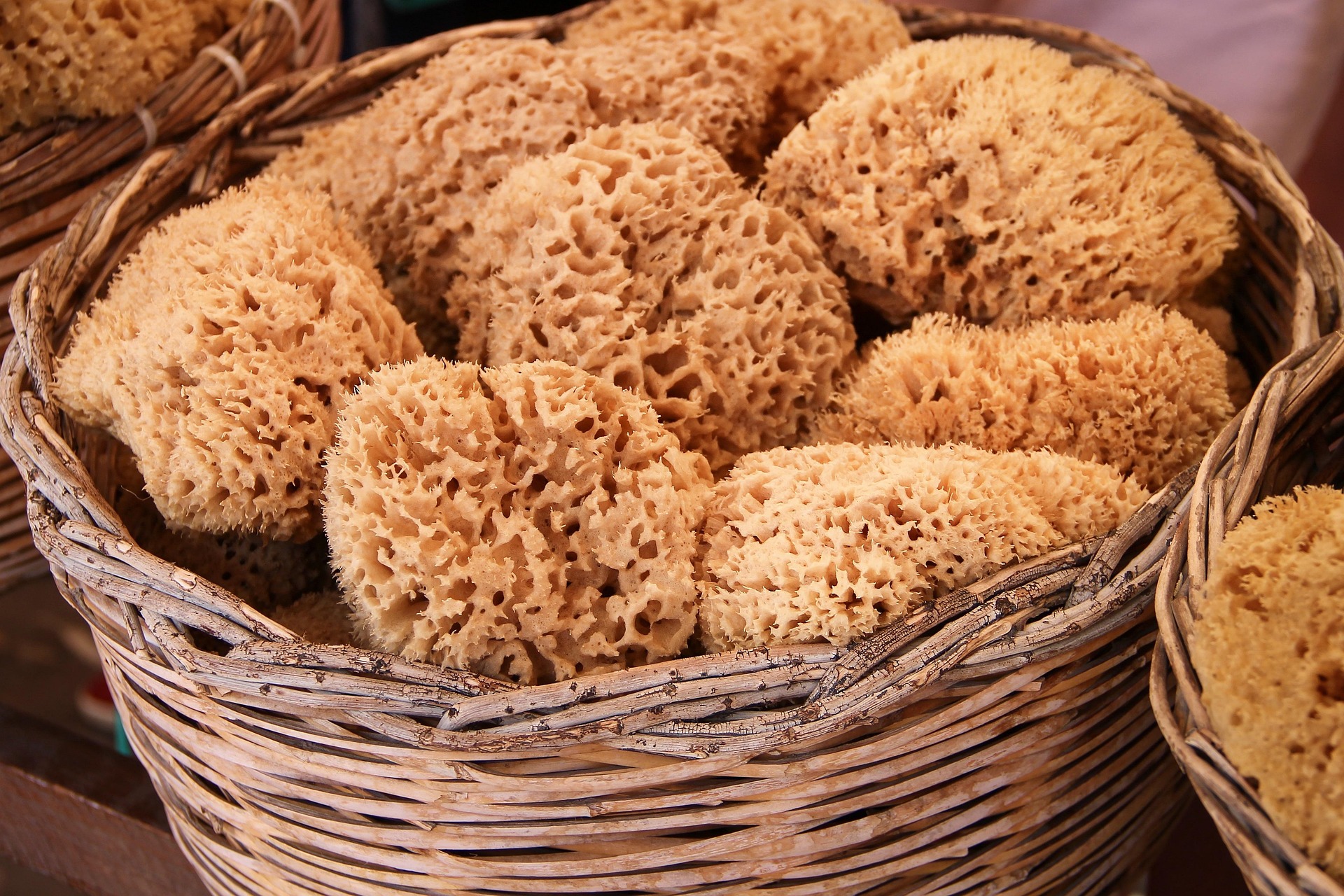
You expect children to pick up things when you move between countries. That’s part of the romantic version of family life abroad. They’ll absorb the language, people say. Children are sponges, people say. And you nod along because it sounds reassuring.
What nobody explains is the moment when the sponge starts speaking more Spanish than the adults in the room.
It began with small things.
Anna correcting my pronunciation of gracias in the bakery. Not rudely, just quietly. The sort of whisper that carries the unmistakable tone of someone who knows they’re right.
“Not like that, Mum.”
Then Luke started doing it too. Except Luke’s version wasn’t subtle. Luke’s version was enthusiastic. Loud. Occasionally wrong, but delivered with total confidence. The sort of confidence you can only have when you are nine years old and have never had to worry about embarrassing yourself in another language.
At first we laughed.
Because really, what else do you do when your children are suddenly ordering drinks before you’ve even figured out which verb tense the waiter used?
But after a while it started becoming noticeable.
At the small supermarket in town, Anna was the one who understood the cashier asking if we wanted a bag. Bryan looked at me. I looked at him. Anna answered before either of us had even translated the question properly in our heads.
At a café near the marina, Luke managed to explain that he wanted his ice cream sin nueces after a previous nut-related disappointment. I’m not entirely sure the grammar was perfect, but the message got through.
The waitress looked impressed.
Bryan looked slightly betrayed.
Our own Spanish, meanwhile, was progressing at the speed of a slightly confused tortoise. We could order food. We could ask for directions. We could explain that we lived “part of the year” here, which always seems to trigger a sympathetic smile from locals who have clearly heard this phrase from thousands of uncertain northern Europeans.
But conversation still arrives in waves.
Someone speaks quickly and you catch the first half of the sentence, the last two words, and absolutely nothing in the middle. Then you nod politely and hope your face looks like someone who understood everything.
The children don’t do this.
They just jump in.
Part of it is school exposure. Part of it is playground osmosis. Part of it is the simple lack of fear that adults seem to accumulate somewhere around their mid-twenties and never quite lose again.
They try words. They guess meanings. They mispronounce things spectacularly and then move on with their day as if nothing happened.
Meanwhile Bryan and I are still mentally rehearsing sentences before speaking them.
One afternoon I was standing in the queue at a small bakery when the woman behind the counter started chatting in quick Spanish about something involving bread orders and the day of the week. I caught maybe forty percent of it. Possibly less.
Anna leaned forward slightly and answered for us.
Not perfectly. But well enough.
The baker smiled at her. Then at me.
There was something oddly humbling about that moment. Your child acting as the family translator in a country you chose to move to.
Later that evening Bryan said something that made me laugh.
“I think we might be the slowest learners in the household.”
He’s not wrong.
The strange thing is that watching them adapt makes Spain feel less temporary. When the children start speaking bits of the language without thinking about it, the place stops being just a holiday setting. It becomes somewhere that is quietly reshaping the way the family works.
They hear things we miss.
They understand small conversations we’re still translating in our heads.
They are building a version of this place that belongs to them, not just to us.
And perhaps that is the most reassuring part of all.
Because when we first bought the house near Dénia, it felt like an experiment. A hopeful one, but still an experiment. A place we visited. A place we were slowly learning.
Now, occasionally, it feels like something else.
Not fully settled. Not entirely permanent.
But real enough that, every now and then, one of the children will casually answer a question in Spanish before either parent has even realised the question was asked.
And in that moment, you suddenly understand that they may end up belonging here faster than we ever do.