It began with Marta’s cousin asking whether we were going to be at Casa Amada in August.
A simple question.
“Yes,” I said.
“Perfect,” she replied.
I didn’t immediately understand what had been agreed.
Two days later Marta informed me that her cousin was coming to stay. Possibly with her husband. The children might come too, although one of them was apparently thinking about going camping instead.
“How many people is that?” I asked.
“Somewhere between two and five.”
This is not a number Bryan enjoys.
He likes definite figures. Arrival times. Departure times. Names he can enter into a spreadsheet. He does not like phrases such as “probably Thursday” or “they might bring the dog.”
By the end of the week, Marta’s sister had also expressed an interest in visiting. Her parents would come for lunch one day and an old friend from Valencia thought she might drive down if the traffic wasn’t dreadful.
The house we had spent months worrying was too large suddenly seemed to have nowhere for anyone to sleep.
Our spare room still contained the mattress the children had once turned into a fort. The other bedroom had become a storage area for everything we hadn’t found a proper place for. There were folding chairs, unopened boxes and a fan that worked only when positioned at a very specific angle.
Bryan began making lists.
Beds.
Towels.
Keys.
Things in the fridge.
Things that should not be in the fridge but somehow were.
I found him counting glasses in the kitchen.
“We have nine,” he said.
“That sounds plenty.”
“Not if there are eleven people.”
“There won’t be eleven people.”
“How many will there be?”
I couldn’t answer that so he went back to counting.
The first visitors arrived on a Thursday afternoon. There were four of them and no dog. This felt like a success.
Within an hour the house had changed completely.
Shoes appeared beside doors. Bags landed on chairs. Every bathroom contained somebody else’s shampoo. The kitchen filled with food we hadn’t bought and nobody could remember who had brought it.
The children vanished together and resurfaced only when hungry.
Bryan spent the first day trying to maintain some sort of order. He showed everyone where the spare keys were kept. He explained which outdoor light switch controlled which light. He issued a warning about the upstairs shower that was so detailed people began avoiding the upstairs bathroom altogether.
Nobody listened to the explanation about the bins.
By Friday morning, Casa Amada had developed its own timetable.
Someone was always making coffee. Someone else was looking for a towel. The front gate opened and closed all day as relatives arrived, left, returned with bread or disappeared to the beach.
Meals became vague events rather than planned occasions. Lunch started when enough people happened to be standing near the table. Dinner depended on who had gone shopping and whether anyone had remembered to buy gas for the barbecue.
One evening Marta’s father arrived carrying a watermelon so large it occupied most of the bottom shelf of the fridge. Nobody could fit anything around it. For three days every conversation about food ended with somebody saying we should eat the watermelon.
We did eventually eat it.
There was still half left.
The house coped better than we did.
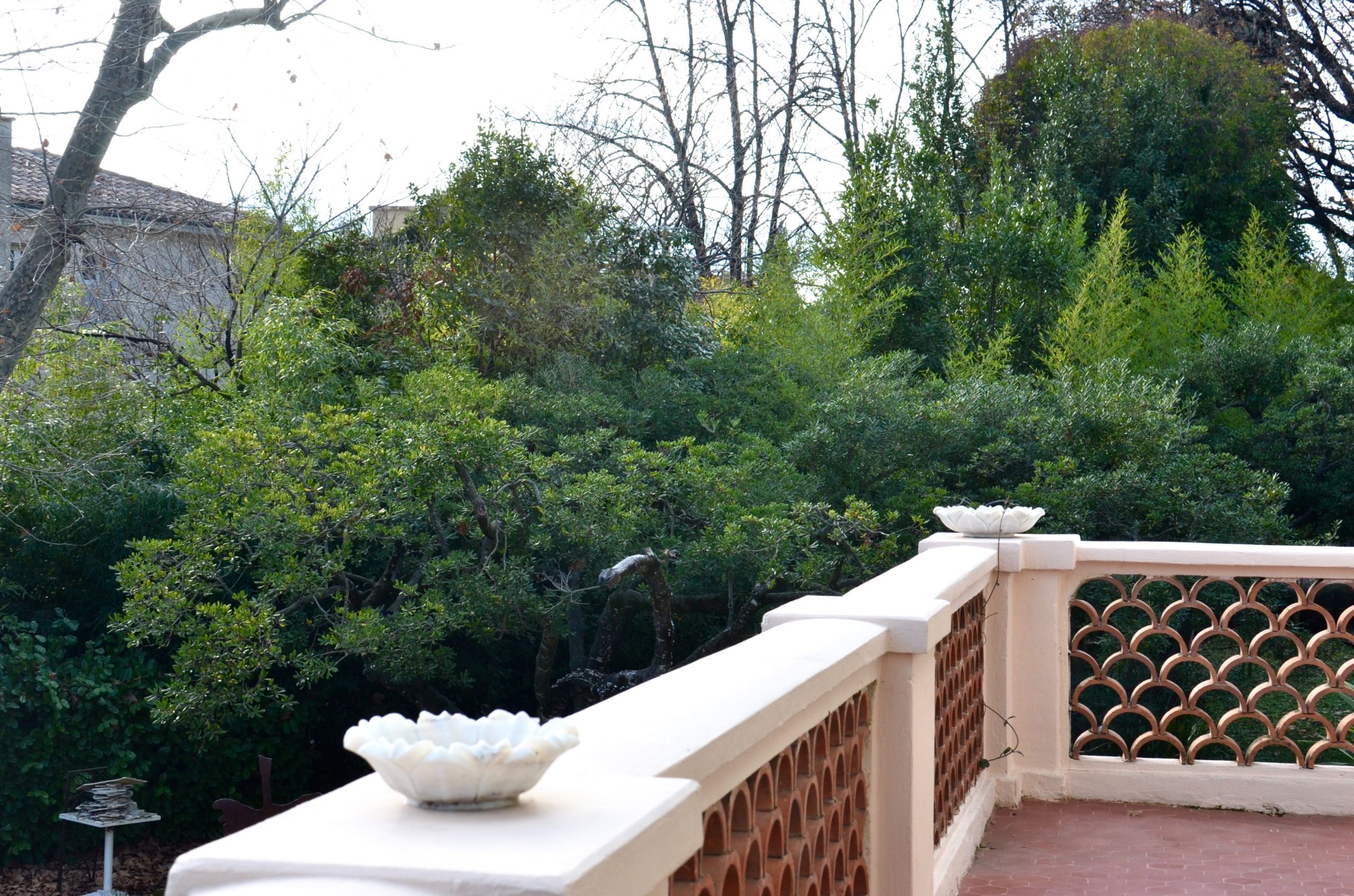
Doors stayed open. The terrace became the living room and the outside table was permanently covered in cups, sun cream and pairs of sunglasses that belonged to nobody when you asked.
The folding chairs we’d spent months meaning to replace were suddenly useful. So was the mattress on the floor. Even the unreliable fan found a home in the spare room where Marta’s cousin discovered that wedging a paperback beneath the base stopped it rattling.
Bryan relaxed around the third day.
I noticed because he stopped counting people before cooking.
He also stopped asking whose towel was hanging over the terrace wall. This was progress. Earlier in the week he had attempted to assign everybody a different colour, an idea that lasted until the first trip to the pool.
By Sunday afternoon, there were fourteen people at the house.
Nobody had planned this.
Marta’s parents came for lunch. Her sister brought two friends who were apparently “just calling in” and stayed for five hours. Somebody collected another cousin on the way back from Dénia.
The table was too small so we pushed another one against it. The chairs didn’t match. One person sat on a cool box and Bryan ate most of his lunch standing up because he kept going inside for things.
It was loud. The kitchen was a mess. There wasn’t enough ice and the watermelon finally disappeared.
Late that evening, after everyone had gone or found somewhere to sleep, Bryan and I sat outside among the abandoned glasses.
“You know what?” he said. “The house works.”
He sounded slightly surprised.
We had spent so much time thinking about Casa Amada as a property. Whether the rooms were big enough. What needed fixing. Where shelves should go. How much electricity we were using and why the upstairs bedroom became unbearable after lunch.
We hadn’t really tested the thing we said we wanted it for.
Family turned up. The house filled. People found places to sit.
The following morning there were towels everywhere again and somebody had put an empty milk carton back in the fridge.
Next job, more glasses i guess.